Inside a TCI Residency
Build the portfolio you want to share, the confidence to pitch it and the working systems to support your travel content business.
Spring 2027
London: March 23–26 · London to Paris travel day: March 27 · Paris: March 28–31.
Combined residency: March 23–31, nine consecutive days.
Autumn 2027
London: November 2–5 · London to Paris travel day: November 6 · Paris: November 7–10.
Combined residency: November 2–10, nine consecutive days.
Your portfolio. Your voice. Your future clients.
Choose the traveller you want to help and the clients you want to approach. Build portfolio pieces that answer a clear question, show useful evidence and reflect your creative voice.
Practise choosing an audience, writing a brief, planning coverage, creating video and photographs, and reviewing whether your work answers its original question. Apply those decisions to destinations, accommodations, products, technology, services or local businesses.
Select relevant examples for each opportunity. Your finished work gives you something concrete to share when you introduce yourself to a tourism bureau, accommodation provider or travel brand.
Build confidence from pitch to close
Develop the confidence to introduce your work, understand a prospective client’s needs and present an offer that fits. Practise conversations about scope, deliverables and value so you can approach opportunities with greater clarity.
Practise defining deliverables, revisions and usage before pricing an assignment. Your portfolio supports those conversations with relevant examples. Winning a client depends on the opportunity, your offer and the work you continue after the residency.
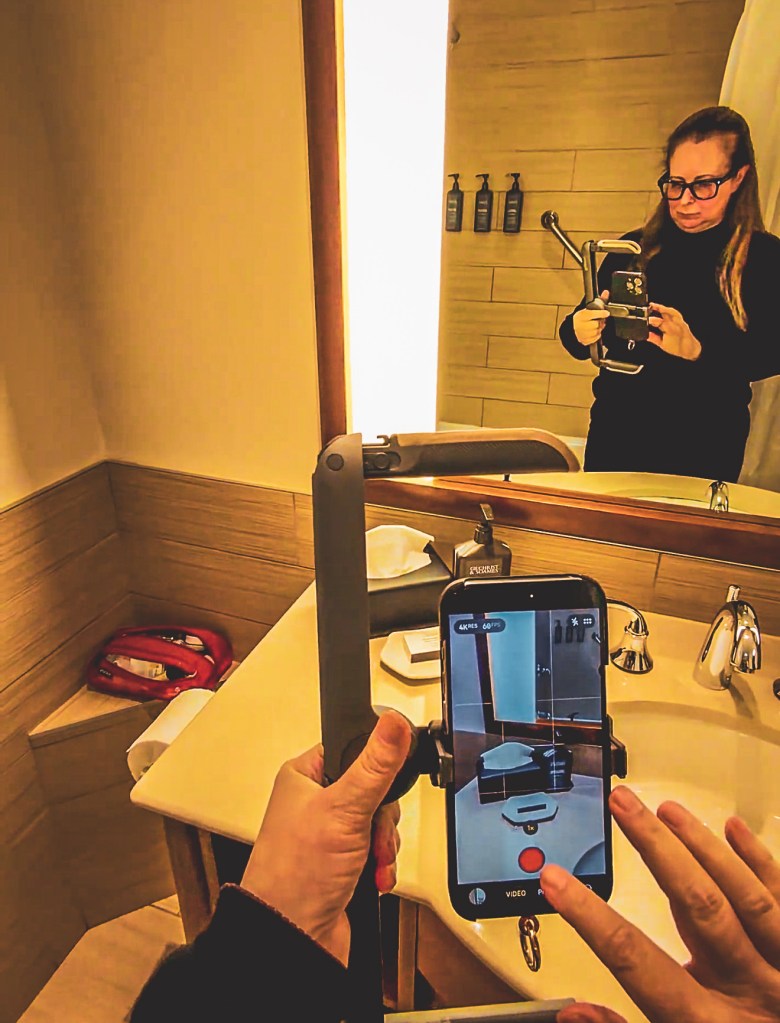
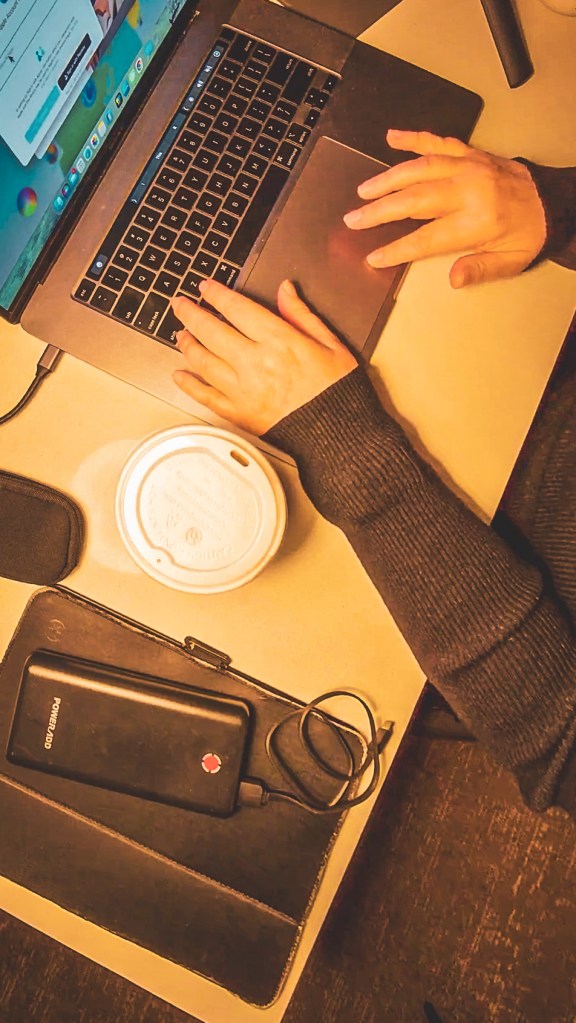
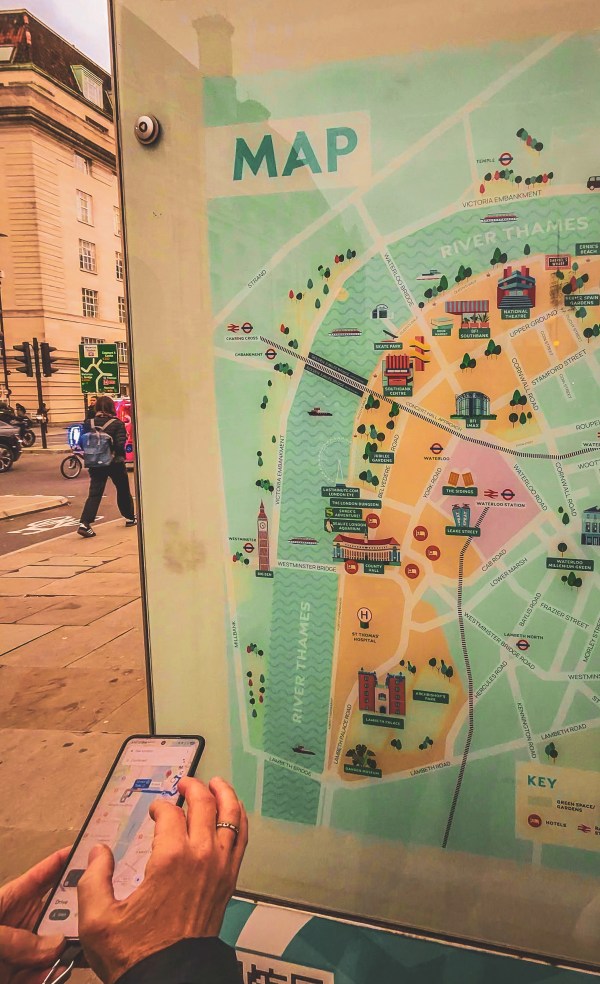
See the creative standard
Explore Charlotte’s original sample photography. The images show Charlotte’s existing creative work, not past resident results or evidence of a commissioned partnership.
Study how a setting, action and close detail can work together. Then use your own brief to decide which images your traveller needs, rather than copying a shot because it looks good.
Show your creativity and your professionalism
A portfolio that feels like you
Create and edit video and photographs around a defined traveller’s needs. Select work that shows a clear purpose, deliberate visual choices and evidence you can explain.
A business that is ready for client work
Keep your brief, plan and review notes alongside the finished assets. You can explain what you set out to prove, how you gathered evidence and what you changed after feedback.
You receive your residency preparation materials electronically in advance. During the residency, you practise using working documents to plan, organise and review your assignments.
Know what to film, and what your work must prove
Brief: Define the traveller, their question and the decision your content should help them make. Choose what evidence would answer that question.
Plan: Turn the brief into a creative treatment, coverage plan and shot list. Decide which moments need a wide view, a detail, an explanation or a measured observation.
Create: Gather your planned coverage and record practical notes. Adapt when the location changes, and identify any evidence you could not collect.
Review: Compare your edit with the brief. Ask what it proves, what is unclear and what needs another shot or a correction. Use feedback to refine it.
Finish: Select the video and photographs that answer the question. Keep the brief and review notes so you can show both your finished work and the decisions behind it.
Four days to move your business forward
Find your direction
Define the traveller you want to help, your creator identity and the businesses your work could serve. Write a short brief to give your portfolio a direction.
Develop your signature
Choose the tone, framing and visual details that make your work recognisable. Use a shot list to connect those creative choices to the evidence your brief needs.
Prepare to pitch
Practise a discovery conversation and turn a client need into a defined offer. Work through scope, deliverables, payment terms and usage rights so you can explain what you are offering.
Bring it together
Review your finished work against the brief. Select relevant examples, organise your portfolio and identify what you still need before sending a specific pitch.
An illustrative assignment: a solo visit without a car
Traveller’s question: “Can a solo traveller visit this attraction comfortably without renting a car?” This is an illustrative teaching example, not a confirmed location, itinerary or completed resident project.
Sample brief: Help a solo traveller decide whether a public-transport journey and walk fit their needs. Define what “comfortably” means for that traveller rather than treating it as the same for everyone.
Sample coverage plan: Show the route from the arrival stop, walking distance, entrance and wayfinding. Record practical obstacles such as stairs, uneven surfaces or unclear signs. Include the return route, with the date and source of any transport information.
Sample finished assets: Plan one edited video and three photographs: the arrival point, the entrance and an important route detail. These are suggested outputs, not finished examples. Your captions and narration should explain what the evidence does and does not show.
Sample review: Can the viewer follow the outward and return journey? Have you shown the obstacles rather than simply saying it is easy? Where evidence is missing, state the limit instead of making a safety or accessibility claim.
Support for the work you want to create
Arrive with your materials, ideas and ambitions already taking shape. During the residency, focused creative time, guidance and feedback help you make your work stronger.
Work alongside fellow creators, practise professional conversations and build an asset bank you can draw on as your portfolio grows.
Each day, create at least one edited video and three photographs as a starting point. Your daily work contributes to the larger portfolio plan: five category pitch videos, 100 distinct shots, your portfolios and an extensive b-roll library.
Build a portfolio with range and purpose
Five finished brand pitch videos: Create one for each of five travel categories: accommodation; attractions and tourism; transport and travel services; food and hospitality; and travel tech and gear. Each introduces your approach, shows relevant work and explains the value you can offer brands in that category.
100 distinct shots: Your residency includes a resident-only shoot-planning resource to help you build a broad collection of footage for your portfolio videos and reusable b-roll library. The detailed shoot lists are shared with enrolled residents.
Your portfolios: Select finished category work for your creative portfolio. Build a compact creator portfolio with an introduction, selected examples, services, contact details and short project descriptions explaining your decisions. Leave with a completed starter portfolio, or a structured foundation with finished pieces, organised supporting assets and a clear completion plan.
Your reusable b-roll library: Create in some of London and Paris’s most iconic settings and everyday travel environments. Organise an extensive footage library you can draw from for future client projects, recording locations, permissions and usage restrictions.
The four-day residency establishes this core portfolio offering. Paris + London gives you more time and two settings to develop its range and depth. Five category pitch videos and 100 distinct shots describe the core offering, rather than five videos per city.
What you take into your next chapter
Five finished category pitch videos, 100 distinct shots and an organised travel b-roll library. A completed starter portfolio, or its structured foundation, with selected finished work and a practical completion plan. A compact creator portfolio that introduces your work and services, plus working documents you can use to plan future projects.
The goal is a portfolio you can explain and a repeatable system for preparing client work. You practise the creative and business decisions behind an assignment; the residency does not guarantee paid work.
Read the short registration details for participation requirements and practical arrangements, and the Residency Purchase Terms before purchasing.
Your materials, from payment to closeout
Your residency materials are released in stages, so you can prepare, practise and build on your work. These materials are included in the total residency price.
| When | What you receive |
|---|---|
| Immediately after payment | Confirmation, your residency dates, travel responsibilities, preparation schedule and a sample lesson. |
| After the voluntary full-refund window | Strong Start access, with lessons released weekly, and Business Kit access. |
| During preparation, before fieldwork | Field Production Toolkit access and its walkthrough. |
| After the residency | Closeout materials and access through the supplied links while they remain active. We recommend downloading and saving all materials within 30 days of program completion. |
The voluntary full-refund window follows the Residency Purchase Terms: it ends at midnight Pacific time on the seventh calendar day after purchase, or when your selected residency begins, whichever comes first.
