THE TRAVEL CONTENT INSTITUTE · SPRING & AUTUMN 2027
London Residency
Ritual. Find the story in how a city is lived.
Where Travel Creators Become Professionals.
London gives your portfolio a pulse.
A black cab crosses the frame while your phone keeps recording. A shop counter offers jars, reflections and the promise of lunch. The city gives you movement and small rituals, with a new story unfolding beyond the obvious view.
London is a place to build work that feels lived in. Show the choices, routines and experiences that help a traveller imagine their own day.


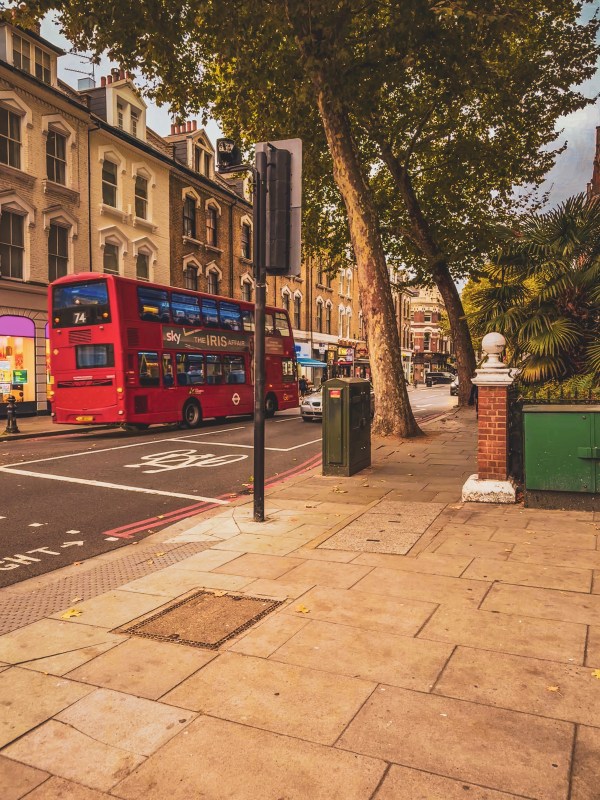
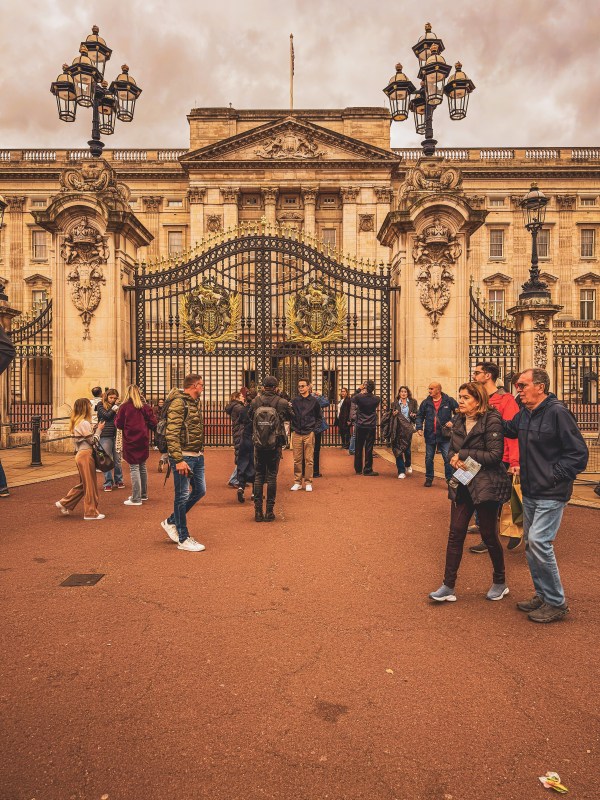
Turn London’s stories into evidence a client can use.
A journey can demonstrate a travel service. A phone in your hand can put travel technology to the test. A stay, a meal or a local experience can show how you understand a business and the traveller it serves.
Use London’s movement and daily rituals to build purposeful work across destination tourism, travel products, services, technology, accommodations and local businesses. Your voice connects the pieces; each brief gives you a different skill to demonstrate.
Build a purposeful portfolio you can draw from when pitching tourism bureaus and travel businesses. Show that you can observe the experience, identify its value and communicate it through a clear creative treatment.
Practise explaining your work, defining scope and discussing deliverables and usage rights. Those skills support a clear offer; they do not guarantee paid client work.
Ritual becomes a story.
Follow the rhythm of an arrival, a journey, a meal or an afternoon walk. Look for the moments that connect them: the waiting, the exchange at a counter, the change in pace when you turn a corner.
Practise catching action, building a sequence and using details to make an experience understandable. A city scene becomes stronger when the viewer can follow what happens next.
An illustrative brief: help a traveller decide
Question: “Can a solo traveller visit this attraction comfortably without renting a car?” Use London as the setting for this illustrative teaching example, not a confirmed assignment location or itinerary.
Your evidence: Plan coverage of the route, walking distance, entrance, practical obstacles and return journey. Define whose needs you are addressing. Date any transport information you use, and state what you have not verified.
Your portfolio work: Plan an edited video and three photographs that help the viewer assess the journey. Review whether the evidence answers the question, then explain your creative choices in a short context note.
See the skills and working process to follow the example from brief through planning, production and review. No completed resident work or verified route is claimed here.
Make everyday experiences commercially interesting.
Your portfolio could explore a service through the person using it, a food experience through its textures and rituals, or a journey through the decisions that make it easier.
The creative challenge is to hold attention while answering a traveller’s question. London gives you a setting in which atmosphere, practical value and brand relevance can share the same story.
Show that you can create in motion.
Build a London chapter that demonstrates timing, observation and the ability to turn a busy environment into a clear narrative. Those are decisions a prospective client can see.
Skills you can practise and take forward
Plan: Define a traveller, a practical question and a shot list that connects your creative choices to useful evidence.
Create and review: Practise building a sequence, editing a video and selecting photographs. Check the result against the brief, use feedback and record what you would improve.
Present: Organise relevant pieces with short context notes and working documents you can use when preparing a pitch.
Your daily starting point remains at least one edited video and three photographs. Build towards the larger residency portfolio: five finished category pitch videos, 100 distinct shots, selected portfolio work and an organised b-roll library. Your daily edits may contribute to the five pitch videos.
Explore the residency experience
See the curriculum, portfolio outcomes, preparation and participation details in Inside a TCI Residency.
Spaces are limited. Registration is first come, first served.
Arrive ready to create
Begin with immediate access to your confirmation, residency dates, travel responsibilities, preparation schedule and a sample lesson after payment. Further preparation materials are released in stages. Complete your post-registration tasks and seven-day pre-residency preparation. See when you receive your residency materials.
You work through daily assignments with guidance, feedback and fellow creators. You arrange your own travel, accommodation and meals and bring the equipment you plan to use. Read the short registration details before choosing your place.
Images on this page are Charlotte’s original sample photography from London. They demonstrate creative work, not previous resident outcomes or a confirmed partnership.
Build a portfolio with range and purpose
Five finished brand pitch videos: Create one for each of five travel categories: accommodation; attractions and tourism; transport and travel services; food and hospitality; and travel tech and gear. Each introduces your approach, shows relevant work and explains the value you can offer brands in that category.
100 distinct shots: Your residency includes a resident-only shoot-planning resource to help you build a broad collection of footage for your portfolio videos and reusable b-roll library. The detailed shoot lists are shared with enrolled residents.
Your portfolios: Select finished category work for your creative portfolio. Build a compact creator portfolio with an introduction, selected examples, services, contact details and short project descriptions explaining your decisions. Leave with a completed starter portfolio, or a structured foundation with finished pieces, organised supporting assets and a clear completion plan.
Your reusable b-roll library: Create in some of London’s most iconic settings and everyday travel environments. Organise an extensive footage library you can draw from for future client projects, recording locations, permissions and usage restrictions.
Start your London enrolment
Your next step is to complete the short enrolment form. Choose your residency, season and payment currency, and confirm that you have read and understood the policies. You will then continue to the PayPal payment options.
Read this before you click pay. Review the policies before completing your purchase.
Questions about your residency? Contact TCI.
Looking ahead to London in 2028?
Proposed spring dates: April 11–14, 2028.
Proposed winter dates: November 28–December 1, 2028.
Join the 2028 waitlist for an Easter-season residency or the proposed Christmas-market season. Receive updates when dates and enrolment details are available. No payment is required, and joining does not reserve a place.
